

How to Add Women With ADD to Your Life
Women with ADD or ADD, which may also be known as attention deficit disorder, are more susceptible to depression and anxiety. They have a hard finding the right diagnosis and treatment.
ADD is a neurobiological disorder with strong genetic connection. adhd women uk can also be affected by pregnancy complications or labor and delivery, exposure to nicotine or alcohol during the development of the fetus, or various other environmental factors.
Attention Deficit
Communication gaps could be due to lack of clear communication channels. The best approach to overcome this is to use the correct kind of communication. There are a variety of methods for making this happen. One alternative is to have an individual from the family or group member act as the intermediary. The resulting communication will be better than it was before. The most commonly used method is to ask for the help of a person who has similar characteristics and communication style.
Hyperactivity
People who are hyperactive will always be constantly moving. You may run, climb or run to dangers. You could also talk frequently or talk on the phone incessantly. You are impulsive and don't wait for your turn.
Additionally the fact that you can be easily distracted by something that is attractive to you. This can make you forget about the task at hand and you could lose focus on something that is as basic as grocery shopping.
Many women are at either end of the spectrum - hyperactive or hypoactive (underactive). Hyperactive women tend to run around so much that it is difficult to keep up with her family, work or personal commitments. She is often angry and frustrated which can make it difficult to manage her relationships with her children or partner.
While hyperactive and impulsive symptoms are the most common in add women but they can be a sign of inattentive ADHD or mixed-type ADHD. Inattentive ADHD is more prevalent for girls than boys and the symptoms can change over time.
ADHD women and girls have a higher rate of self-esteem, and have a harder time with peer relationships. They also have coexisting anxiety and affective disorder. They may need to come up with strategies to disguise their lack of achievement. They may have difficulty maintaining healthy relationships with their partners, and can have more difficult romantic relationships that can lead to intimate partner abuse. They also have a higher risk of sexual abuse than their peers. They may also be more likely to have sleep disorders that become worse during menopause and perimenopause. They are less likely to take contraceptives, or have a plan to manage their fertility in the future.
Anxiety
Anxiety is one of the biggest concerns for women across the world. No matter if you suffer from anxiety, it's essential to seek help. You can get help by visiting a doctor or a mental health professional or searching for treatment on the internet.
Although there are some differences between women and men in their anxiety symptoms, most of them are similar. The major difference is that women tend to experience higher levels anxiety than men do.
Anxiety can be caused by a variety of factors, including genetics and life experiences. Traumatic experiences like physical, sexual and emotional abuse have also been linked with the development of anxiety disorders.
Another reason that can trigger anxiety are hormonal fluctuations. These changes can occur throughout the course of a woman's life, such as periods and puberty, pregnancy menopausal, menopausal, and even throughout her life.
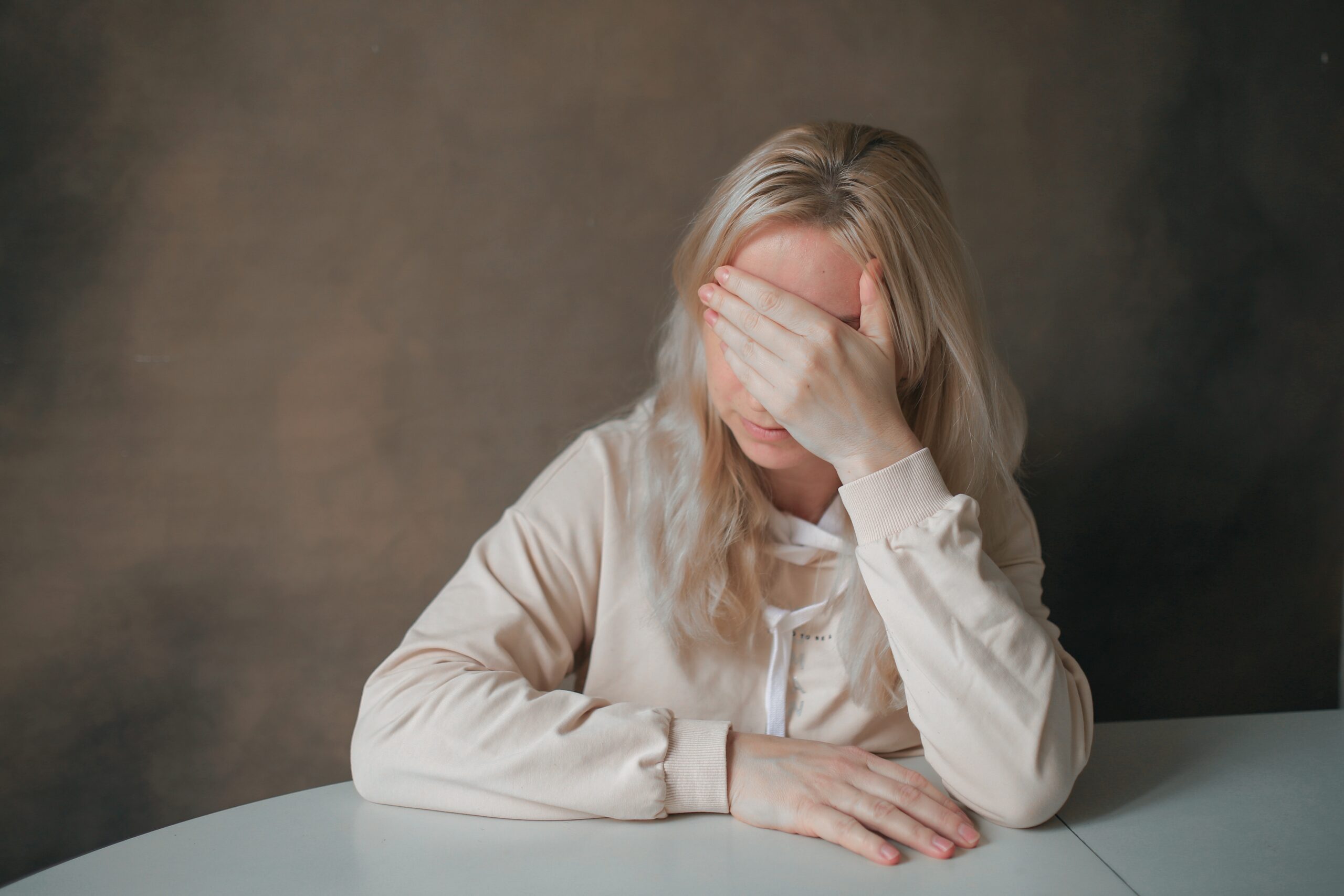
When puberty occurs hormones involved in a woman's body undergoing changes can impact her mood and anxiety. Anxiety can manifest as irritability and fatigue, sleep disturbances, weight gain, and other signs.
Anxiety can also be caused by hormonal fluctuations, for instance those that occur during menstrual cycle and after childbirth. Anxiety can be caused by hormonal fluctuations. It is important to seek help from a professional if anxiety symptoms appear.
Anxiety can also be triggered by personal circumstances such as her financial situation, relationship, or job. Many of those diagnosed with anxiety are suffering from depression and other mental health issues.
Women also suffer from anxiety because of traumatizing life events such as divorce or death. These events can be difficult to manage and can result in the development of an anxiety disorder.
Women are more likely to feel anxious because of social pressures that make it seem like they must achieve success. This can be particularly challenging when you're working all-day and also caring for your family. The pressure can be overwhelming and can result in anxiety that can get worse when you don't act.
Depression
Depression can affect anyone. However women are twice as likely to get it. It is an extremely serious mental illness that is treatable with medication.
Women are more likely to suffer from depression due to the multitude of tasks and pressures they are faced with in our modern world. They may have to work to balance work and family life. Their emotional health could be affected by major events such as divorce or death.
Depression can be caused by a variety of factors, including personality, biological, psychological, and interpersonal factors. Changes in hormones during puberty, menstrual cycles and pregnancy for instance, are known to increase the chance of developing depression.
It is important for women to be aware of their feelings and seek treatment when they feel depressed. It's important to establish a support group like family members and friends who will be there to provide support when necessary.
If severe depression is present, medication may be an effective treatment option. Antidepressants can be prescribed on their own or utilized in conjunction with other treatments.
Other treatments include cognitive behavioral therapy (CBT) and talk therapy. These treatments can help women alter their behavior and manage their emotions.
Some women experience depression symptoms that are easier to manage using self-help methods. However, it is essential to seek help immediately in the event that your mood or general well-being is affected. The best way to accomplish this is to discuss the issue with a physician, who can then recommend a suitable treatment.
Psychotherapy is a type of therapy that can be extremely helpful in the treatment of depression. It involves talking about your feelings and experiences with a trained professional who can help you work through them in an enviroment that is safe and supportive space.
It is important to understand that it can take time to feel better . In fact, some women be struggling with their depression for a long time. With the proper treatment, it is possible to beat the issues that caused your depression and live better, more joyful life.